

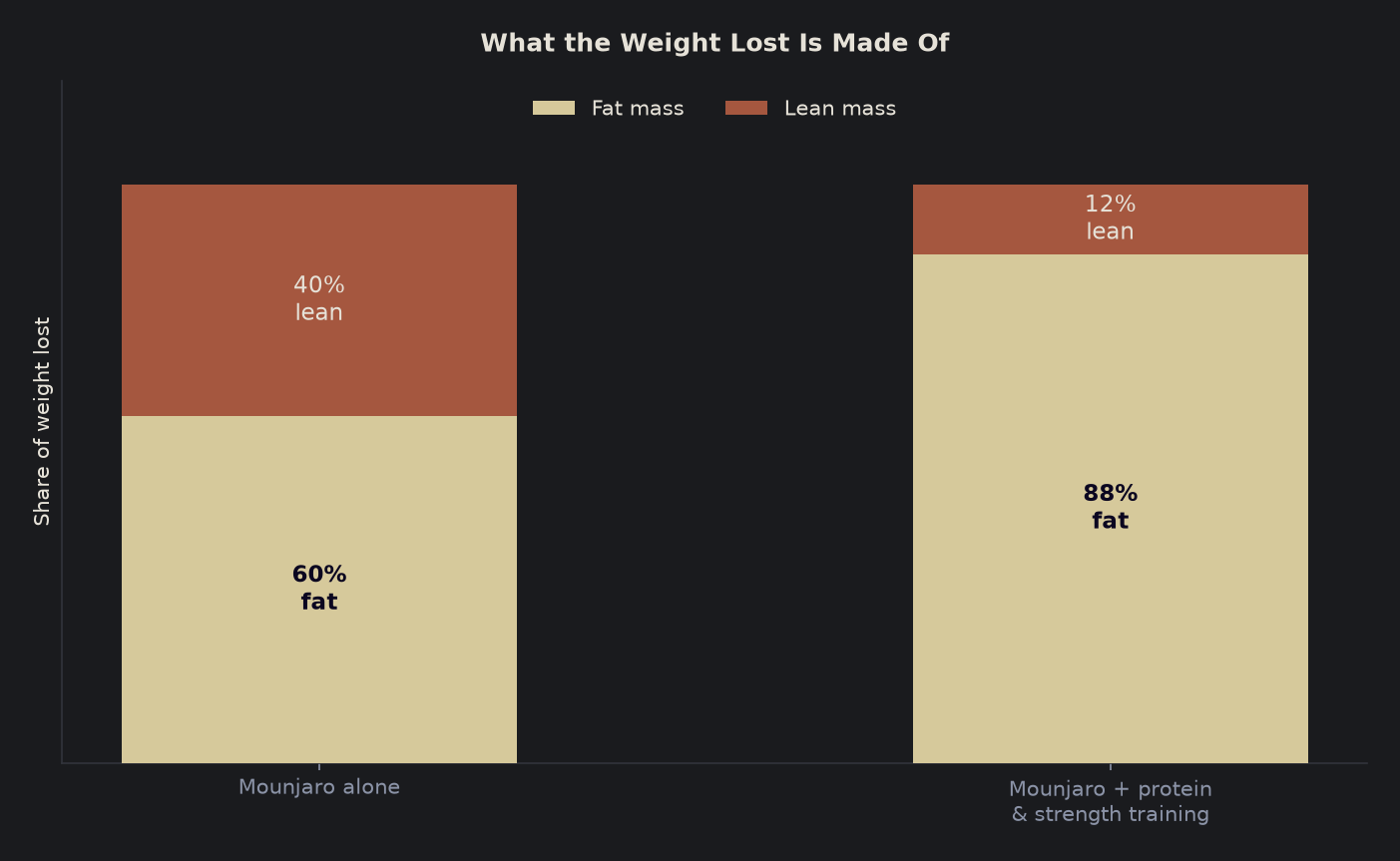
If you’re on Mounjaro (tirzepatide), you’ll know how dramatically it quiets food noise and shrinks your appetite. For many people it’s the first time weight loss has felt genuinely achievable. But there’s a catch that deserves real attention: when you lose weight fast, your body doesn’t just burn fat. It burns muscle too, unless you actively protect it.
Losing muscle while you lose fat is the difference between finishing lighter and stronger, and finishing lighter but weaker, flatter, more tired and more likely to regain. The scale can’t tell the difference. Your body absolutely can. So here’s the practical playbook: nutrition and training, working together, while you’re on the drug.
Why Mounjaro Makes Muscle Loss a Real Risk
Two forces stack up against your muscle on Mounjaro:
- A big calorie deficit with no appetite. Suppressed hunger makes it easy to under-eat dramatically, and protein is usually the first casualty when portions shrink.
- Less eating means less “use it” signal. Muscle is expensive tissue. If you’re not lifting and not eating protein, your body treats muscle as fuel, not furniture.
The research is consistent: without resistance training and adequate protein, a meaningful share of rapid weight loss can come from lean mass. With them, the vast majority comes from fat. That’s the whole game, and it’s winnable.
Lever One: Nutrition — Protect Every Gram of Protein
When your appetite is tiny, every meal is a budget. Spend it on protein first.
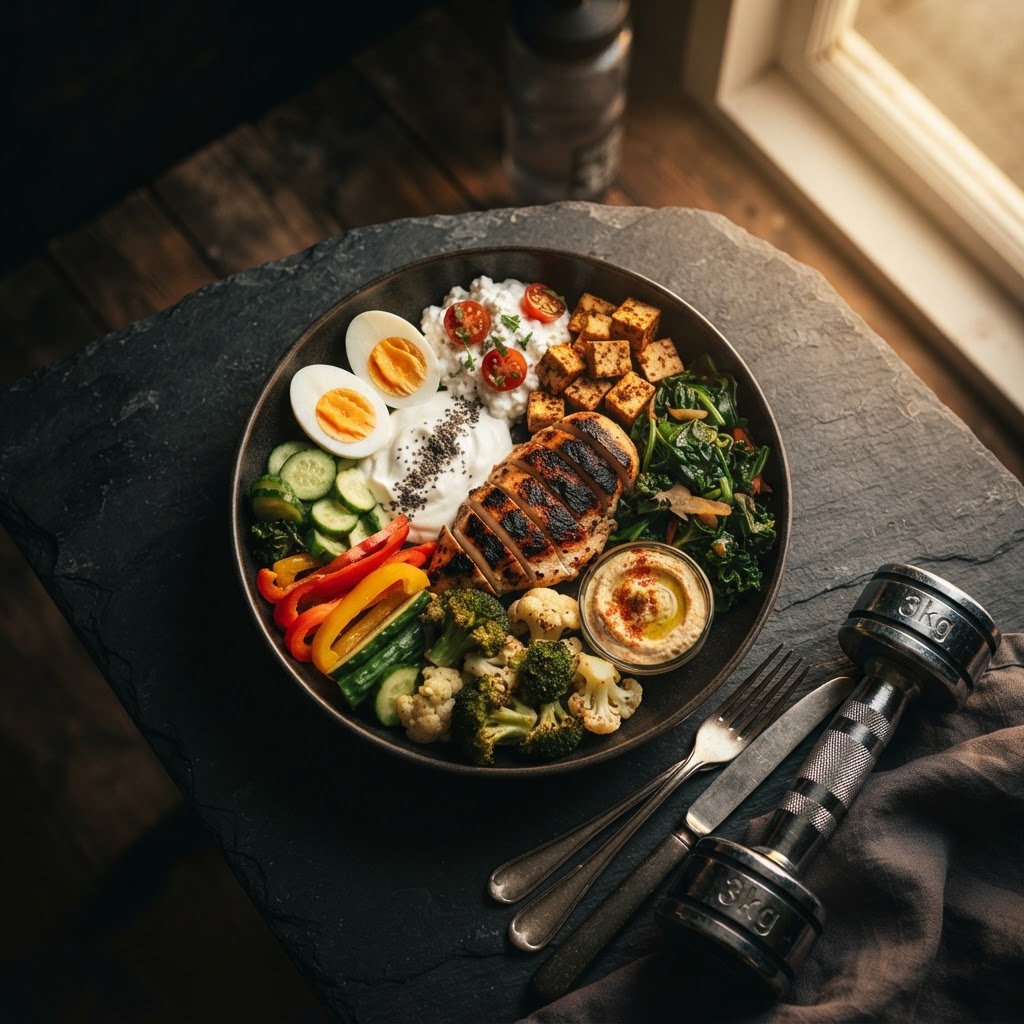
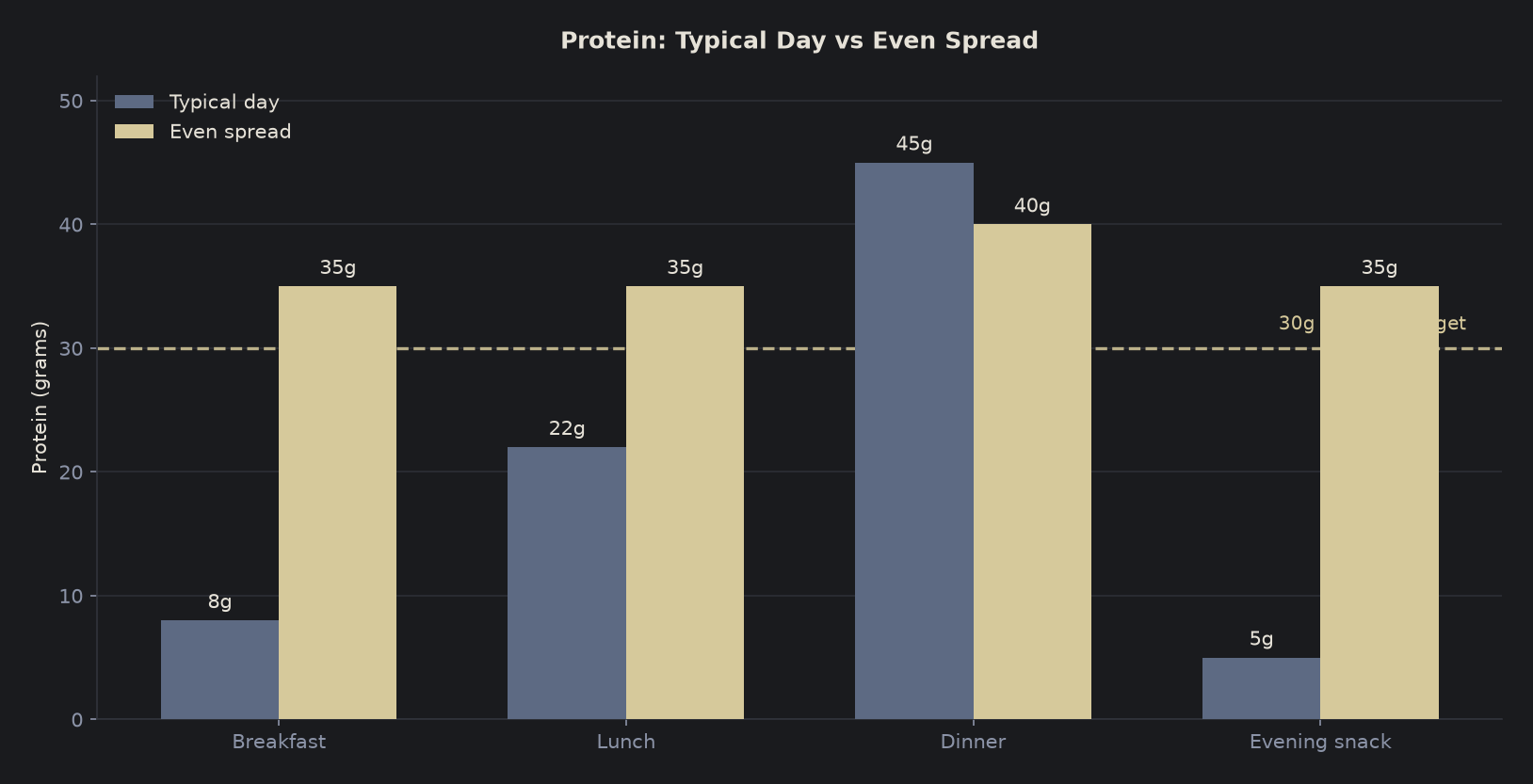
- Aim for 1.2-1.6g of protein per kilo of body weight per day. For an 85kg person, that’s roughly 100-135g daily. On a reduced appetite this is the single biggest nutrition challenge of being on Mounjaro, so treat it as the priority, not an afterthought.
- Protein first, everything else second. Eat the chicken before the chips, the yogurt before the toast. When portions are small, sequence matters.
- Use easy protein. Greek yogurt, skyr, cottage cheese, eggs, tinned tuna and smoked salmon deliver a lot of protein for very little volume. Protein shakes and high-protein smoothies are your friend when solid food feels like a chore.
- Spread it across the day. Mounjaro slows how quickly your stomach empties, so three huge protein meals won’t happen. Four or five smaller protein hits work far better with the drug’s mechanics.
- Keep fibre and fluids up. Vegetables, fruit, oats, beans and lentils keep digestion comfortable while the drug slows things down, and they carry the micronutrients a smaller food budget can miss. Water matters even more than usual.
- Don’t waste appetite on low-value calories. If you only fancy a quarter of what you used to eat, a biscuit takes the slot a protein pot should have had.
Lever Two: Training — Send the “Keep This Muscle” Signal
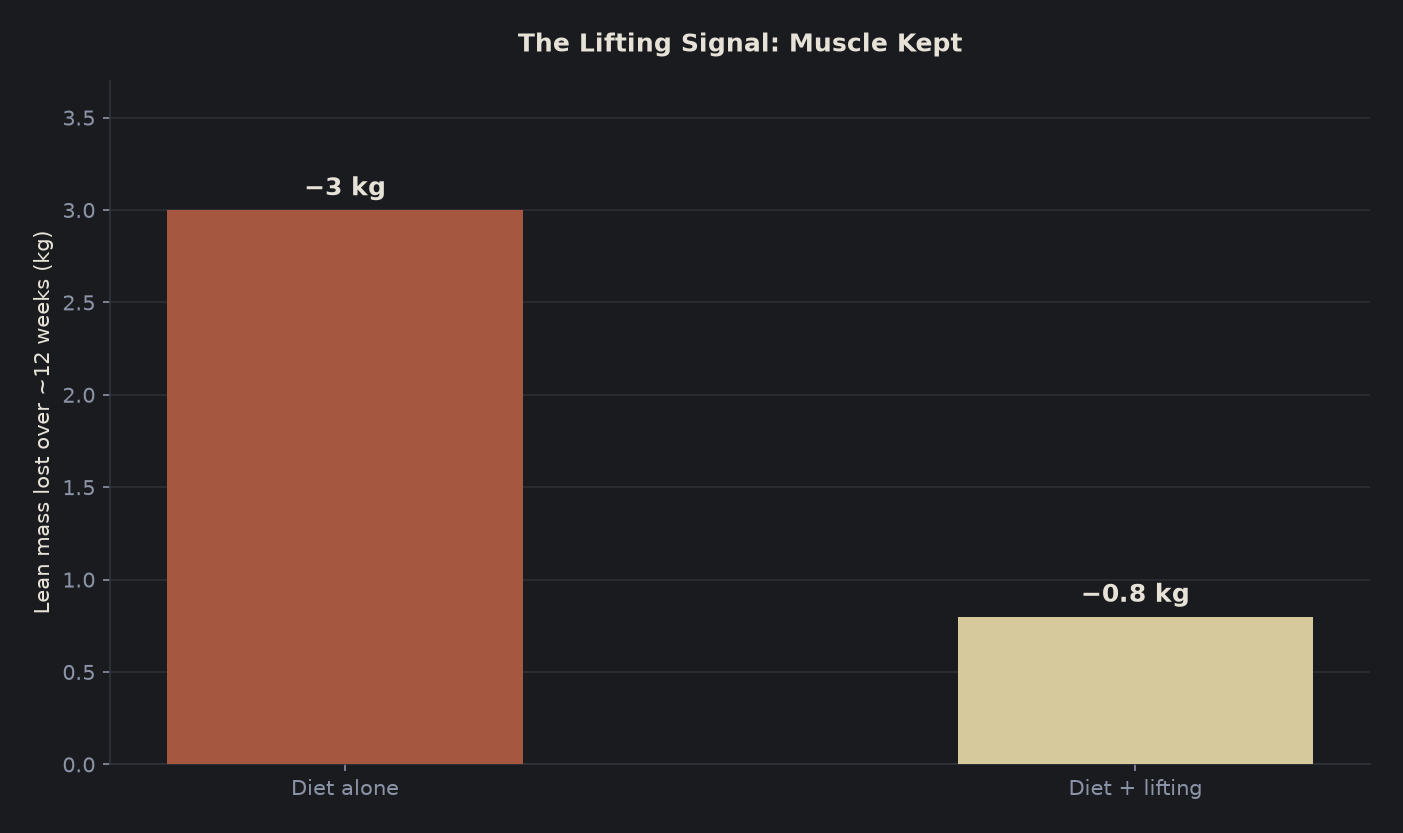
Nutrition gives your body the raw materials. Lifting gives it the reason to keep the muscle. Skip it, and no amount of protein fully protects you.
- Resistance train 2-3 times a week. Full-body sessions built around squats, hinges, pushes, pulls and carries. This is the strongest anti-muscle-loss signal we can send.
- Progressive overload is the mechanism. A little more weight, a rep or two more, a slightly slower tempo. Progressive challenge is what tells your body the muscle is earning its keep.
- Lower energy, smarter sessions. You’ll have days with less in the tank. Keep the weights meaningful but trim the volume: fewer sets, same effort. Cut volume before you cut intensity.
- Keep walking. Daily steps protect your calorie burn, your mood and your digestion, without eating into recovery the way extra cardio can.
- Log your lifts. Your strength numbers are the best muscle dashboard you have. If the big lifts are sliding week after week, that’s the early warning that nutrition or recovery needs adjusting.
How to Tell It’s Working
Watch the right gauges. The scale alone lies. Better indicators: your waist measurement, how clothes fit, gym progress photos, and your strength log. Losing inches while your lifts hold steady or climb? That’s fat loss with muscle intact. That’s the win.
One Honest Note
Mounjaro changes a variable, but the habits around it still decide where you land, on it and after it. The muscle, strength and routines you build now are exactly what make maintaining easier when you eventually come off, or step down. And as always, keep your GP or diabetes team in the loop with anything medical; this article is training and nutrition, not medical advice.
This is one of my favourite things to help with: a personalised protein plan that actually fits a Mounjaro-sized appetite, plus a strength programme that fits your energy levels week to week. 1-to-1 in St Austell, community classes, or online coaching, whichever works for you, we’ll make sure the weight you lose is the weight you wanted to lose.
Want help with your fitness journey?