
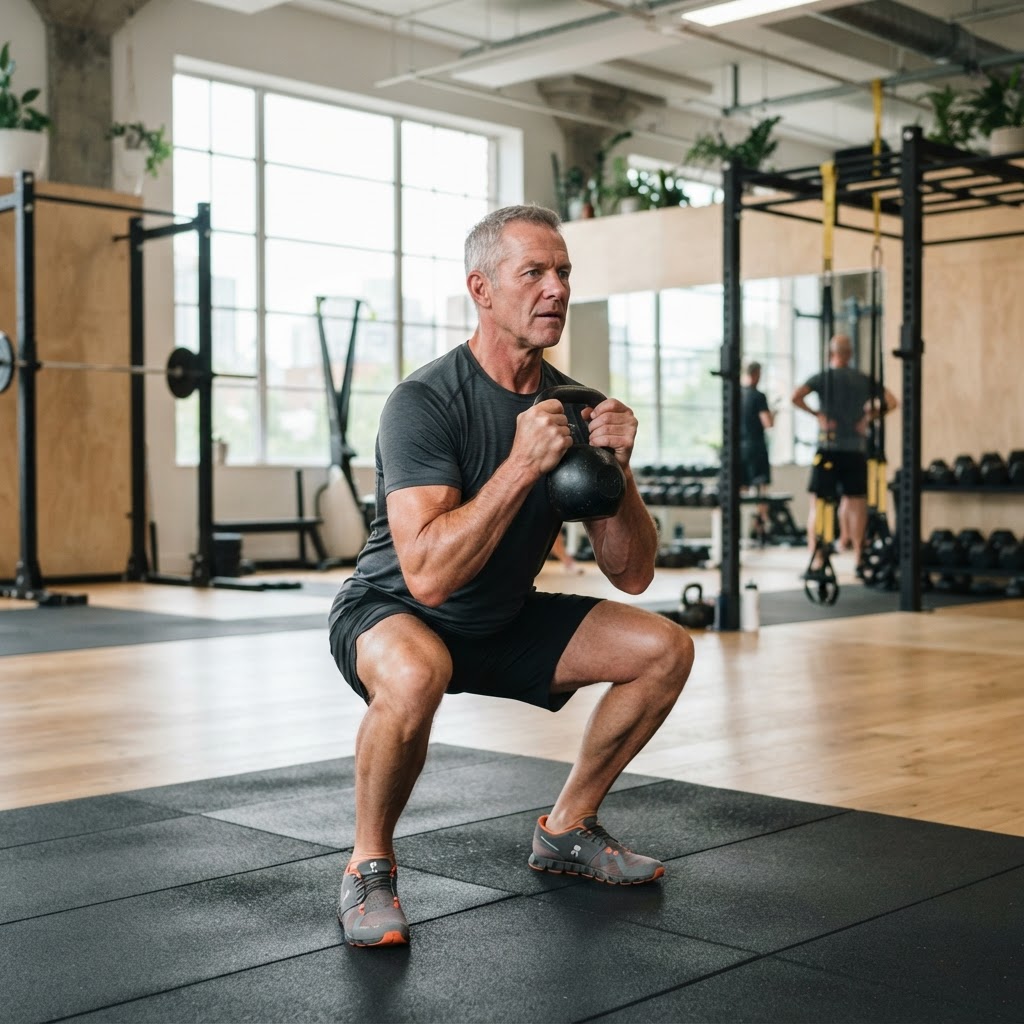
Scroll through any health podcast or longevity documentary from the last year and you’ll notice a pattern: the experts aren’t talking about supplements or cold plunges as much as they used to. They’re talking about muscle.
Muscle: Your Body’s Health Currency
Muscle isn’t just for lifting heavy things or looking good on the beach. It’s your body’s largest metabolic organ. It pulls glucose out of your bloodstream, protects your joints, keeps your bones dense, and acts as a protein reserve your immune system draws on when you’re ill.
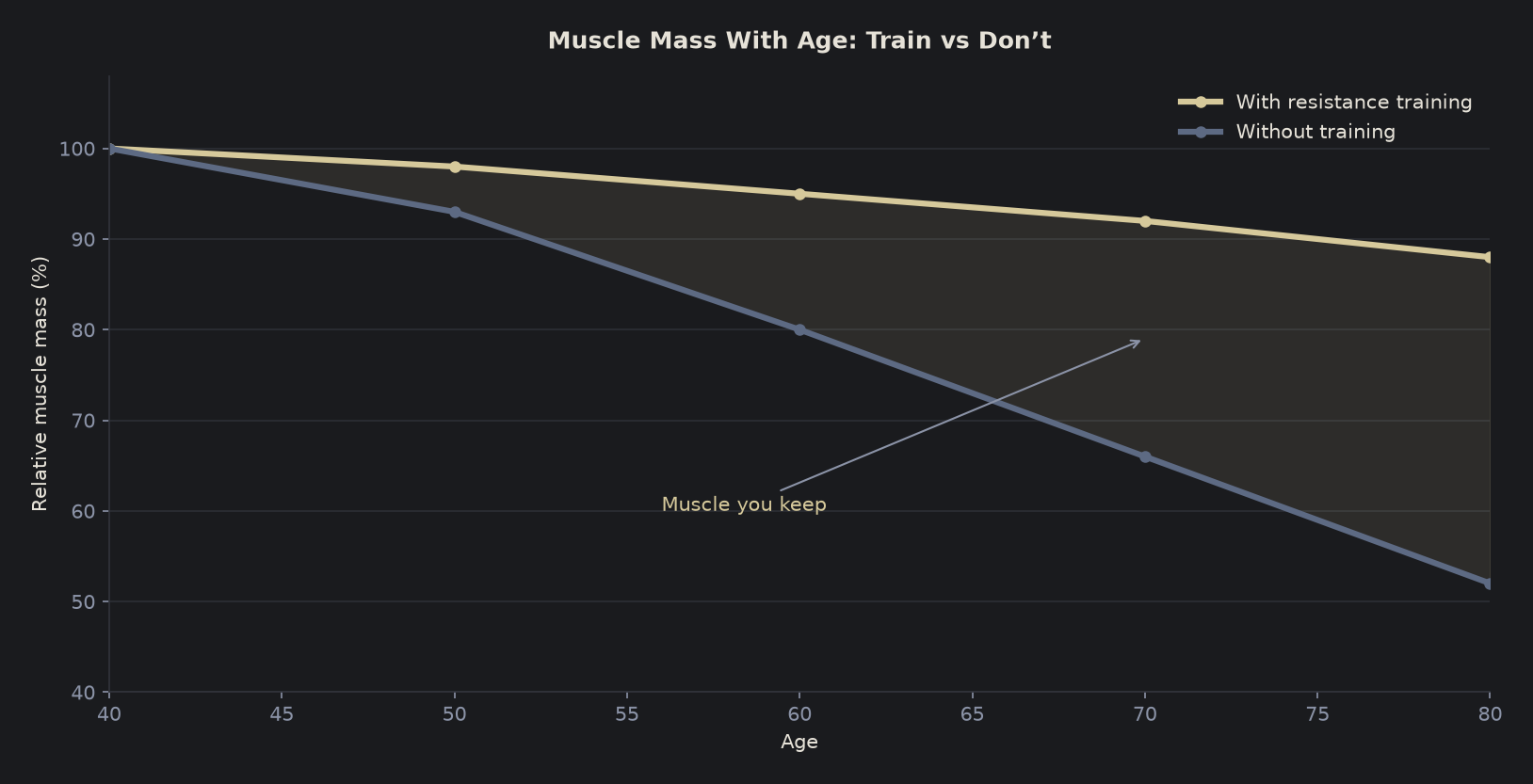
This is why researchers describe grip strength and leg strength as some of the most powerful predictors of healthy lifespan we have. Not to be morbid, but the science is blunt: the adults who keep their strength keep their independence, and they keep it for longer.
From around our 30s, we naturally lose muscle every year unless we fight back. The rate accelerates after 60, and with it goes balance, bone density, metabolism and resilience. The good news? It is astonishingly responsive to training at any age.
What the Guidelines Actually Say
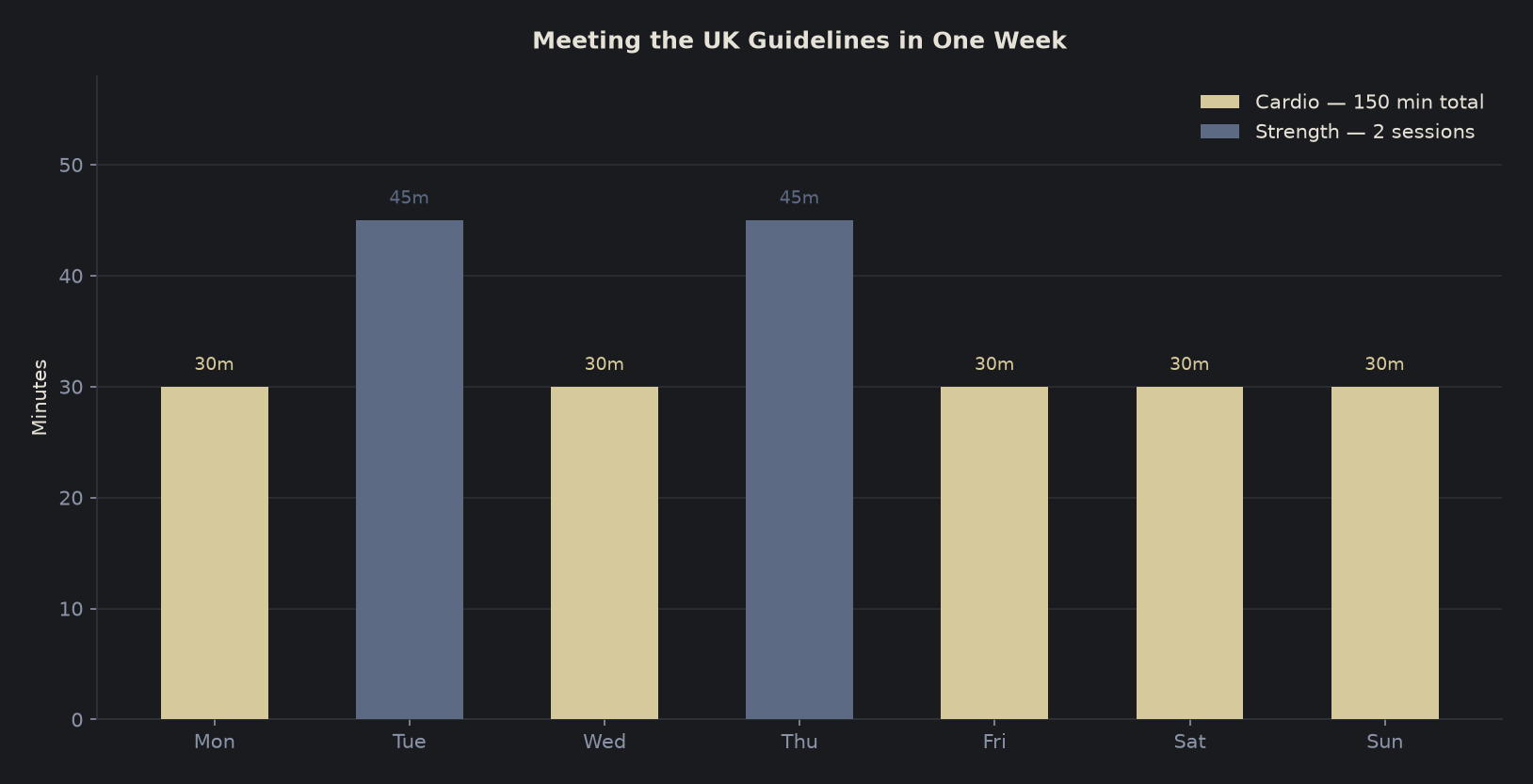
UK health guidelines recommend strengthening activity that works all the major muscle groups at least twice a week. That’s it. Two sessions. Yet most adults don’t hit it, because cardio gets all the airtime and gyms can feel intimidating if you’re not sure what you’re doing.
What Actually Works
- Compound movements first. Squat, hinge, push, pull, carry. Exercises that use lots of muscle at once give the most return for your time.
- Progressive overload, not randomness. The magic isn’t any single exercise, it’s gradually adding a little weight or a rep over months. This is where a plan beats a workout playlist.
- Heavy is relative. “Heavy” means challenging for you, for somewhere around 6-15 controlled reps. You should have to concentrate for the last few.
- Consistency beats intensity. Two focused sessions a week for a year will change your life. Seven sessions a week for three weeks will just make you tired and injured.
- Protein and sleep are the other half. Muscle is built in the kitchen and the bedroom. Aim for protein at every meal.
But I Don’t Want to Get Bulky
The most common worry I hear, especially from women, is “I don’t want to get too big.” I promise: building visible bulk takes years of very deliberate, very heavy, very high-volume training and eating. What strength training actually gives most people is a stronger, firmer, more capable body and more confident posture. The “bulky” look people fear is usually just… muscle with definition, which is the goal for most of us anyway.
Start Where You Are
You don’t need a gym membership to start. Bodyweight squats, press-ups against the kitchen counter, step-ups, carrying the shopping with good posture. It all counts, and it all builds.
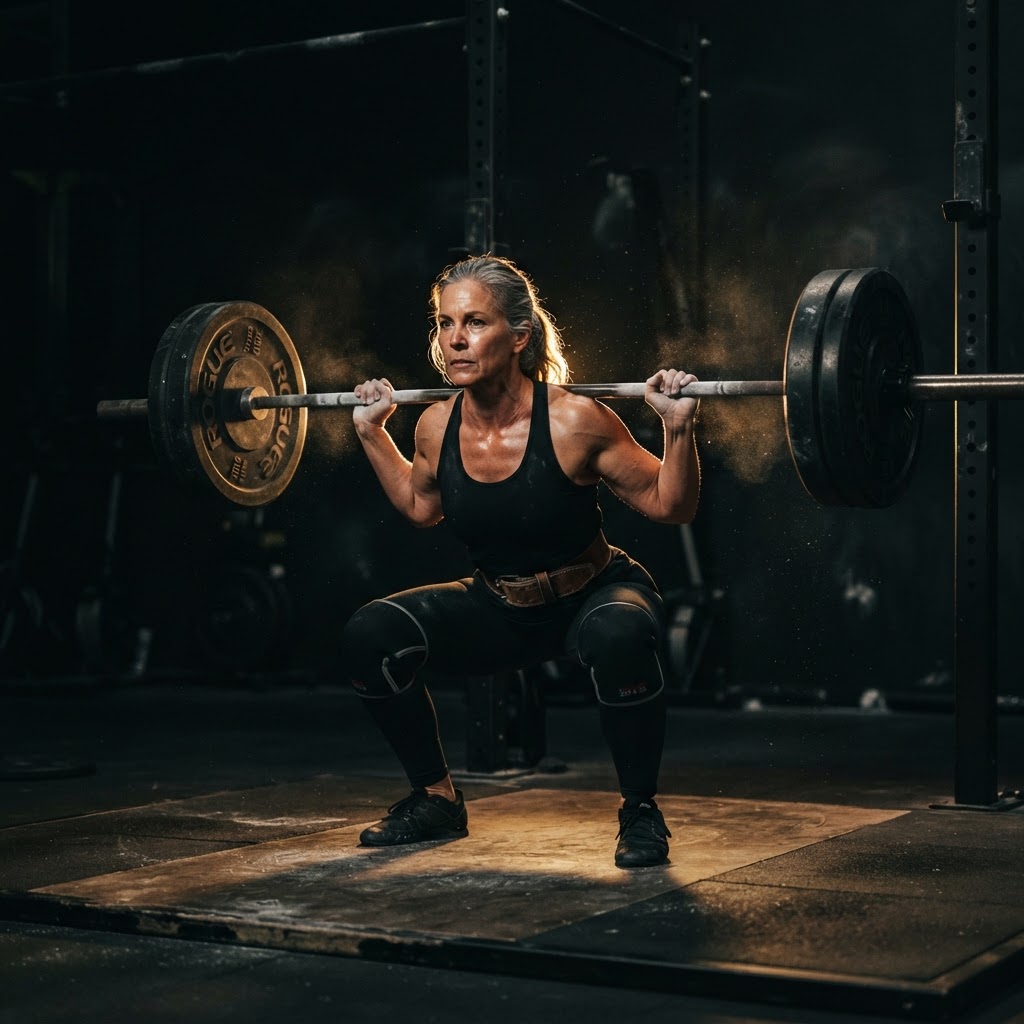
If you want a structured plan, proper technique coaching, and someone to progress the weights for you so you don’t have to think about it, that’s literally the job. Whether 1-to-1 in St Austell or in our group classes, we’ll meet you exactly where you are and build from there.
Want help with your fitness journey?